The chip shortage and the automotive industry
Since the Covid pandemic there’s been a lot of talk about the chip shortage and particularly its effect on the automotive market. It is often difficult to gauge how much of the shortage is real, and what is fear mongering by media trying to generate views. Until now it has been very difficult to get any real figures of the damage to the market. However, the Federal Reserve Bank of Cleveland (FRB) has now published the research it has done on the issue and tried to provide us with a better idea of what is going on with the shortages and resulting price rises.
The paper, published on the 8th of July goes into depth on the whole economy, including what has driven the inflation above what the FRB had originally predicted, but the main focus of the report is the relationship between the semiconductor industry and the automotive one. There is no doubt that the demand for automobiles has outstripped supply, and the report puts a figure on that. Used cars and trucks have shown an average of a 30% rise in price in the last year.
Among the highlights from the report is that the US semiconductor industry is operating at almost full capacity trying to shift the backlog and meet demand. In Q4 2020, the Census found that US fabs were at 93.2% capacity, their highest level ever on record. In May this year when the FRB measured capacity at 104.8%, meaning that plants are operating with increased overtime and reduced maintenance. It is difficult to compare those figures as the Census and FRB use different data, but in comparison with the past, the Census found that plants were operating at 15% over the average level of 2019 and the FRB’s findings showed a 10% increase over that same period.
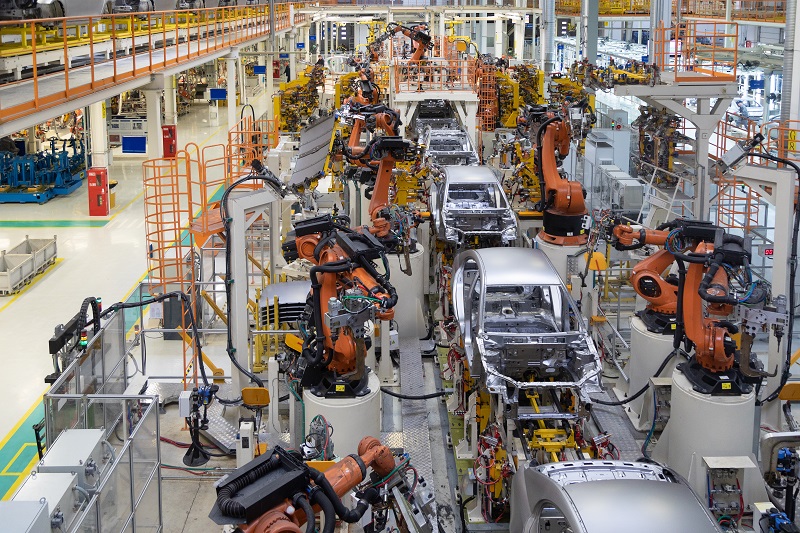
As for the automotive industry, the three-month moving average of capacity utilization was 68.5% in May 2021. This is an increase over the previous lows of the pandemic (43.3% in March 2020), but still 6.7% points below the 2019 average. The cause is quite clear. The percentage of manufacturers of transportation equipment citing a shortage of materials for plants operating below capacity has risen from around 5% at the start of the pandemic to around 27% now. To back up those findings and look at the shortage of semiconductors in other areas, the FRB compared those figures with manufacturers of computer and electronic product manufacturers. There, the insufficient supply of materials being the reason for operating below capacity had risen from 18% to 29% since the start of the pandemic.
This reduction in manufacturing capacity has unsurprisingly led to a shortage of availability for light vehicles. The numbers showing inventory dropping from 18 million to 7 million over the period of the pandemic. The good news is the FRB found that the shortages and the inflationary effects on the end products should only be an issue over the next half year to nine months.
To read the full paper go to https://www.clevelandfed.org/newsroom-and-events/publications/economic-commentary/2021-economic-commentaries/ec-202117-semiconductor-shortages-vehicle-production-prices.aspx