California to Expand its Sizable EV Charging Infrastructure
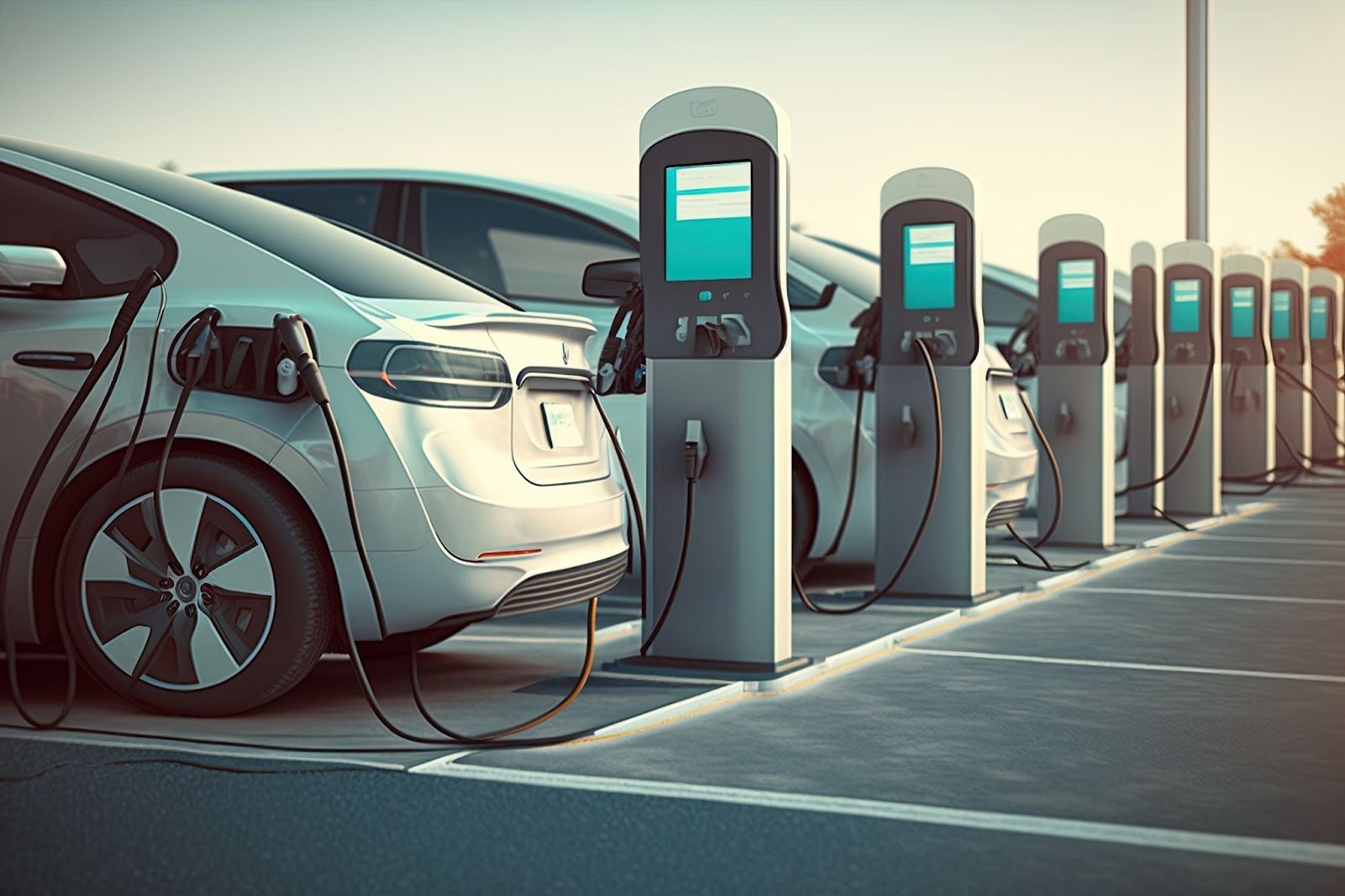
Long Beach, CA plays host to APEC this week, and visitors may have noticed the overwhelming abundance of EV charging stations (amongst other Golden State quirks). And California is about to provide billions to expand their charging network even further.
In order to increase the mainstream viability of EVs, the U.S. has been slowly building out their charging foundation.
President Biden’s 2021 trillion-dollar infrastructure bill earmarked about $7.5 billion towards building 500,000 more public EV chargers by 2030, and as of last year, the U.S. had about 51,000 public charging stations.
Of that figure, California had the most by far, with its 14,040 stations 4x+ that of the next state, New York.
Across the U.S., the figures ranged from 59 charging stations (in Alaska) to 2,412 (Texas), 2,766 (Florida), 3,254 (New York), and a whopping 14,040 for California.
Course, in the last year, all those figures have skyrocketed, with one estimate putting California’s public and publicly accessible charging stations at 94,000!
Separately, California also enacted a 48 billion dollar ‘California Climate Commitment’, which puts $10 billion towards zero-emission vehicles and their infrastructure, and that’s where the latest outlay comes in.
The California Energy Commission (CEC) has approved $1.9 billion for new EV charging stations and hydrogen refuelling stations, to be dispersed through “competitive grants” over the next 4 years. At least half the money will be “targeted to benefit priority populations.”
“We need to make sure that this is zero emission refuelling infrastructure for everybody,” said CEC’s Lead Commissioner for Transportation, Patty Monahan. “By investing a bulk of funds to benefit low-income and disadvantaged communities, the state is making sure communities most in need have better access to chargers and less pollution from trucks and buses.”
.jpg)
Accelerating Isolated Power Supply Design
05/10/2017